Credit Card Mockup: Realistic Design Previews
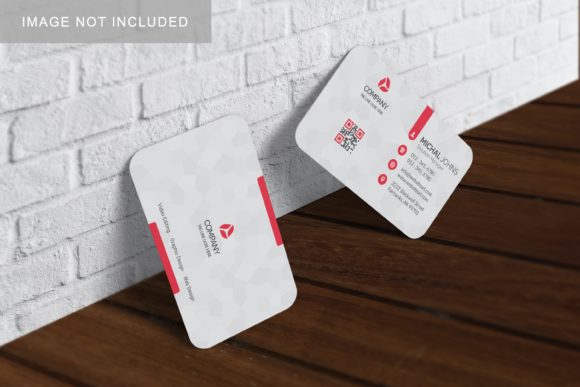
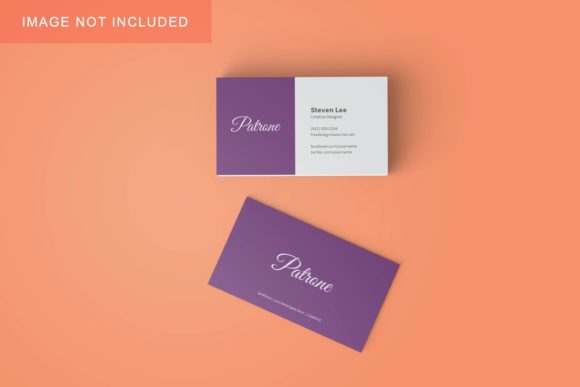
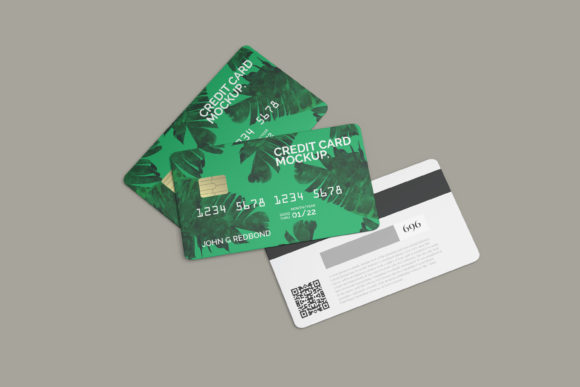
A Credit Card Mockup is a digital template that simulates how a physical credit card will look and feel—complete with realistic lighting, shadows, texture, and perspective—when placed in context. It’s not a functional card or a design file for printing; it’s a visual tool used to preview branding, layout, typography, and color choices before production begins.
Why This Matters—Depending on Who You Are
What makes a Credit Card Mockup valuable changes dramatically based on your role, goals, and experience level. A freelance graphic designer needs something different than a small business owner launching their first branded card—or a marketing manager preparing a client pitch.
For Beginners Learning Design or Branding
If you’re just starting out—whether in Canva, Figma, or Adobe Photoshop—a Credit Card Mockup offers instant realism without requiring advanced 3D skills. You drop your logo, card number, and name into a pre-built scene (like a hand holding the card or one resting on a desk), and suddenly your flat design gains depth and credibility.
Beginners often prioritize ease of use and learning value. Free PSD or Sketch mockups with clear layer naming help them understand hierarchy and alignment. A well-structured mockup teaches spacing, contrast, and how subtle gradients affect perceived material quality—even if they don’t yet know the term “specular highlight.”
For Freelancers & Creative Professionals
Freelancers frequently use Credit Card Mockups to showcase work quickly and professionally. When pitching a rebrand to a fintech startup, embedding your card design into a sleek laptop-and-coffee-cup scene communicates polish—and saves hours over building custom renders in Blender.
Here, flexibility, quality, and presentation speed matter most. Smart-object-enabled PSDs let you update designs across multiple angles with one edit. Vector-based mockups scale cleanly for print or web. And high-resolution JPEG or PNG exports ensure crisp visuals in client decks or Behance portfolios.
For Small Business Owners & Entrepreneurs
You’re not designing cards daily—but when you do, it’s mission-critical. Whether launching a loyalty card, co-branded offer, or limited-edition membership, you need stakeholders (and printers) to visualize the final product accurately. A low-fidelity sketch won’t convince your bank partner; a realistic Credit Card Mockup does.
Your top priorities? Reliability, cost-effectiveness, and clarity. You’ll likely choose mockups with editable layers labeled “Chip,” “Magnetic Stripe,” and “Signature Panel”—so you can confirm placement matches industry standards. Bonus points if the mockup includes common dimensions (85.60 × 53.98 mm) and bleed guides.
For Marketers & Content Creators
Marketers use Credit Card Mockups to build cohesive campaign assets: social posts showing “Your new card is here,” email headers featuring the card beside a welcome message, or landing page banners that reinforce trust through tangible design.
Speed and consistency are key. A single mockup kit with variations—angled, flat-lay, isolated on white—lets you maintain brand voice across channels without redesigning each time. You might even pair it with a matching ATM card or digital wallet UI mockup to tell a fuller story.
For Educators & Trainers
In design bootcamps or financial literacy workshops, a Credit Card Mockup serves as more than decoration. It becomes a teaching anchor: students analyze real-world constraints (e.g., minimum font size for CVV, required PCI-compliant elements) while practicing visual communication.
Educators look for mockups that encourage critical thinking—not just plug-and-play. Ones that include optional annotations (“Where does the EMV chip go?”), regulatory callouts, or comparison views (debit vs. credit vs. virtual-only) deepen learning. Open-license mockups also let students remix and share ethically.
For Consumers & Hobbyists
Yes—even non-designers use Credit Card Mockups. Think of someone personalizing a gift card for a friend, mocking up a fictional card for a D&D campaign, or testing how their favorite color scheme translates to plastic. It’s playful, low-stakes, and creatively satisfying.
For this group, accessibility and fun outweigh technical precision. Browser-based mockup tools (no download required) or drag-and-drop editors win over complex layered files. Seeing your idea “in the wild”—on a phone screen, in a wallet, or beside a coffee cup—makes abstract design feel delightfully concrete.
How to Choose the Right Credit Card Mockup for Your Needs
Not all mockups are equal—and choosing the wrong one can waste time or misrepresent your work. Ask yourself:
- What’s my output goal? Presenting to executives? Use high-res, lifestyle-oriented mockups. Prepping for print? Prioritize CMYK-ready files with bleed and safety margins.
- What tools do I already use? Figma users benefit from auto-layout components; Photoshop fans rely on smart objects; Canva creators need transparent PNGs with clean edges.
- How much control do I need? Some mockups lock shadows and reflections to preserve realism—great for quick use, less ideal if you want to tweak lighting direction.
- Is commercial use allowed? Always check the license. Many free mockups prohibit use in client work or resale—while premium kits often include extended licenses for agencies.
Real Examples, Real Context
A blogger reviewing budgeting apps might insert their custom “Savings Card” design into a mockup showing it tucked beside a notebook and pen—grounding the concept in everyday life. That same mockup wouldn’t suit a bank’s compliance team evaluating security element placement, who’d need zoomable, measurement-accurate files highlighting hologram zones and microprint areas.
A university design student building a portfolio might use a minimalist white-background mockup to keep focus on typography and iconography. Meanwhile, an e-commerce brand running Instagram ads would choose a dynamic mockup—card mid-swipe, glowing slightly—to imply digital functionality and motion.
Does This Fit Your Next Step?
If your goal is to communicate intent, test visual hierarchy, or bridge the gap between concept and reality, then yes—a Credit Card Mockup is likely useful. If you’re deep in manufacturing specs, embossing height calculations, or magnetic stripe encoding, it’s a starting point—not the full solution.
No single mockup serves every purpose. But the right one—chosen with your audience, tools, timeline, and intention in mind—adds quiet authority to your work. It turns “this is what we’re thinking” into “this is what you’ll receive.” And sometimes, that shift in perception is the first real step toward approval, adoption, or action.