Realistic Postcard Mockup Template
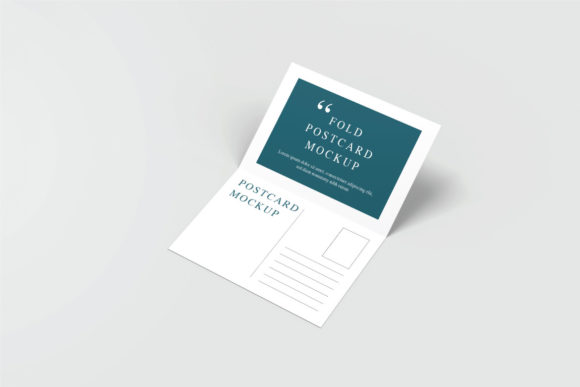
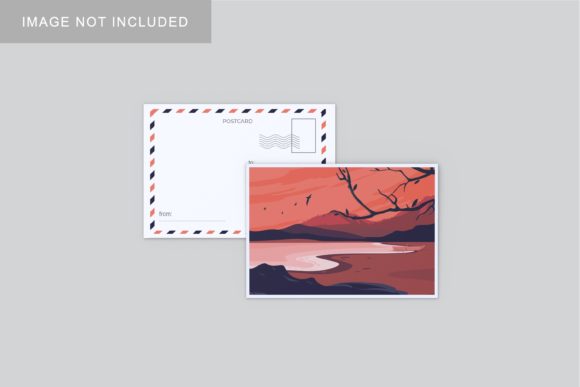
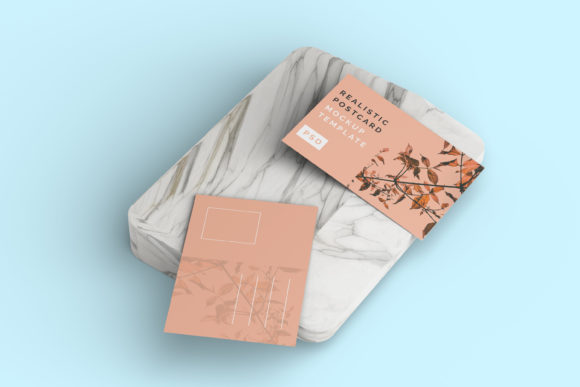
A Realistic Postcard Mockup Template is a digital design file—typically built in Photoshop, Adobe XD, or Figma—that simulates how a printed postcard would appear in real-world contexts. It includes smart layers that allow designers to insert their artwork while preserving lighting, shadows, texture, perspective, and subtle imperfections like paper grain or slight curling at the edges. Unlike basic flat previews, these templates aim to replicate physical presence: how light falls across a matte or glossy surface, how a postcard rests on a wooden table or leans against a stack of books, or how it looks pinned to a corkboard.
Why Designers and Marketers Consider This Tool
Professionals often explore a Realistic Postcard Mockup Template when they need to present postcard designs with credibility and context—especially before printing or client approval. Common use cases include showcasing promotional campaigns for local businesses, visualizing travel-related content, supporting direct-mail marketing efforts, or preparing portfolio pieces that demonstrate applied design thinking. The template bridges the gap between abstract layout and tangible outcome, helping stakeholders envision final output without requiring physical prototypes.
Key Benefits
- Time efficiency: Inserting artwork into a well-structured mockup takes minutes versus setting up custom lighting and rendering in 3D software.
- Visual consistency: Templates maintain uniform presentation across multiple postcard variants—useful for A/B testing layouts or seasonal iterations.
- Client communication: Realistic context helps non-designers interpret scale, color fidelity, and tactile qualities more accurately than flat JPEGs or PDFs.
- Portfolio enhancement: Designers gain stronger storytelling by showing work as part of an environment—not just isolated graphics.
Tradeoffs and Practical Considerations
While convenient, a Realistic Postcard Mockup Template isn’t universally optimal. Its realism depends heavily on the quality of the source file: low-resolution templates may blur fine typography or fail to render metallic inks or spot varnishes accurately. Some templates lock lighting direction or background elements, limiting flexibility for brand-aligned presentations. Others assume standard postcard dimensions (e.g., 4×6 inches), making them unsuitable for non-standard sizes like square or oversized formats unless manually adjusted—a process that risks distorting perspective or shadow placement.
File compatibility matters too. Photoshop-based mockups require layered PSD files and sometimes specific versions of the software; Figma or XD versions may lack advanced blending modes or layer effects found in raster tools. Users unfamiliar with smart object workflows may encounter a learning curve when replacing placeholder content without disrupting depth cues.
When a Realistic Postcard Mockup Template Is a Strong Fit
This tool works best when your goal is rapid, credible visualization for internal review, pitch decks, or client presentations—and when your output aligns with common print specifications. It’s especially helpful for small businesses launching localized campaigns, freelance designers building case studies, or marketing teams validating messaging across physical touchpoints. If your workflow already relies on Photoshop or Figma, and you value speed over hyper-customization, this template type supports efficient iteration without sacrificing perceived professionalism.
When Alternatives May Be More Appropriate
Consider alternatives if your project demands precise control over material properties—for example, simulating foil stamping, embossing, or textured recycled paper. In those cases, dedicated 3D rendering tools like Blender or specialized print preflight software offer greater fidelity but require more time and technical skill. Similarly, if you’re evaluating postage logistics, paper weight options, or environmental impact, a mockup alone won’t provide those insights; printed samples or vendor consultations remain necessary.
For teams managing large-scale, multi-format campaigns (e.g., postcards alongside brochures and banners), unified design systems or dynamic mockup libraries—where one master file generates multiple outputs—may reduce long-term maintenance overhead compared to standalone postcard templates.
Making an Informed Choice
To determine whether a Realistic Postcard Mockup Template suits your needs, ask three questions:
- What is the primary purpose? If it’s stakeholder alignment or portfolio polish, the template likely delivers strong ROI. If it’s production validation or material testing, supplement with physical proofs.
- What are your technical constraints? Check software version requirements, layer structure clarity, and documentation quality. Well-documented templates with video walkthroughs reduce setup friction.
- How much customization do you anticipate? Review preview images and download demos—if backgrounds, angles, or lighting feel too rigid for your brand’s tone, look for templates offering multiple scene variations or editable environment layers.
Also consider licensing. Most reputable templates come with commercial-use rights, but verify whether redistribution or resale of the mockup itself is prohibited. Some free resources restrict usage to personal projects only, which could pose issues for agencies presenting work on behalf of clients.
Final Thoughts for Evaluators
A Realistic Postcard Mockup Template is not a replacement for print expertise—it’s a communication aid grounded in design pragmatism. Its value emerges most clearly when matched to realistic expectations: it accelerates visualization, not fabrication; supports interpretation, not engineering. For evaluators comparing options, prioritize templates with transparent documentation, responsive support, and examples showing real-world application—not just aesthetic appeal. Look beyond the first preview image: examine how typography renders at small sizes, whether shadows adapt logically to inserted content, and whether the file structure allows clean updates across revisions.
Ultimately, the right choice depends less on technical sophistication and more on alignment with your workflow, audience, and goals. If your objective is to convey intentionality and context efficiently—without diverting focus from core design decisions—then a thoughtfully selected Realistic Postcard Mockup Template remains a practical, accessible asset.