Discover the Mesmerizing World of 3D Mandala Flower Paper Cut Art
What Is a 3D Mandala Flower Paper Cut?
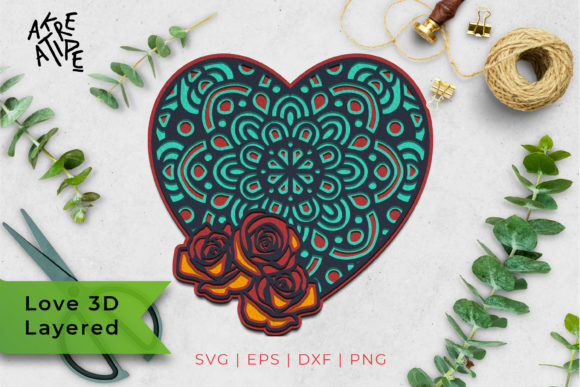
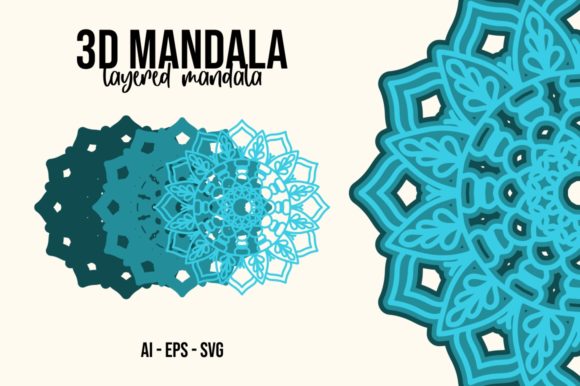
A 3D Mandala Flower Paper Cut is a layered, handcrafted art form that merges ancient spiritual symbolism with contemporary paper engineering. At its core, it begins with a traditional mandala—a circular, symmetrical design rooted in Hindu and Buddhist traditions, representing unity, harmony, and the cosmos. When combined with floral motifs—like lotuses, cherry blossoms, or roses—and constructed using multiple stacked paper layers, the result is a dimensional, sculptural artwork that appears to bloom off the page.
Unlike flat mandala coloring pages or simple silhouette cuts, this art form uses precise cutting, strategic layering, and subtle shadow play to create depth. Each layer is carefully aligned and glued at varying heights—sometimes with foam spacers—to produce gentle gradients of light and shadow. The final piece often resembles a botanical mandala suspended in mid-air, radiating calm, balance, and intricate beauty.
The Purpose and Significance Behind the Craft
At first glance, a 3D Mandala Flower Paper Cut may seem like decorative craftwork—but its purpose runs much deeper. Historically, mandalas serve as tools for meditation, focus, and spiritual reflection. Adding three-dimensionality transforms them into tactile, immersive experiences. As you walk around the piece, light shifts across its ridges and petals; your gaze moves inward toward the center, then outward along spiraling layers—mirroring the meditative journey itself.
The flower element adds another layer of meaning. In many cultures, flowers symbolize growth, impermanence, renewal, and inner beauty. A lotus, for instance, rises from muddy water unsoiled—representing resilience and enlightenment. By fusing floral forms with mandala geometry, artists invite viewers to contemplate both cosmic order and organic life cycles.
How It Fits Into Modern Life and Creative Practice
In today’s fast-paced digital world, 3D Mandala Flower Paper Cuts offer a rare opportunity for slow, intentional making. They’re gaining popularity among educators, therapists, designers, and wellness practitioners—not just as art, but as mindful practice. For example:
- In classrooms, students use simplified versions to explore symmetry, geometry, and cultural studies—building fine motor skills while learning about Eastern philosophy.
- In therapy settings, guided paper-cutting sessions help reduce anxiety by anchoring attention in the present moment—similar to adult coloring books, but with added kinesthetic engagement.
- In interior design, framed 3D mandala flowers serve as calming focal points in homes, yoga studios, and healthcare waiting areas—enhancing ambiance without visual clutter.
Small businesses also embrace this art form. Independent creators sell custom pieces online, offer virtual workshops, or collaborate with eco-conscious brands to produce limited-edition packaging inserts—blending tradition with sustainable, tactile marketing.
Materials and Process: Simpler Than You Might Think
You don’t need a laser cutter or advanced training to begin. Most artists start with these accessible tools:
- Thin, high-quality paper (e.g., 80–120 gsm cardstock or Japanese washi)
- Fine-point precision blades (like X-Acto #11) and self-healing cutting mats
- Templates or original hand-drawn designs—many free mandala-flower outlines are available online for beginners
- Adhesives (acid-free glue or double-sided tape) and optional foam dots for elevation
A typical workflow includes sketching the base mandala, dividing it into radial sections, selecting which elements become foreground (petals), midground (leaves, geometric rings), and background (outer frame), then cutting and assembling layer by layer. Digital design software like Adobe Illustrator or free alternatives (Inkscape, Canva) can assist with scaling and symmetry—but many purists prefer pencil, compass, and steady hands.
Common Misconceptions—Clarified
Misconception #1: “It’s just fancy origami.”
While both involve paper, origami relies solely on folding—no cutting or gluing. 3D Mandala Flower Paper Cut is a cutting and layering technique. Its structural integrity comes from alignment and adhesion, not crease memory.
Misconception #2: “Only experienced artists can do this.”
Beginners can achieve stunning results with beginner-friendly templates featuring bold lines and minimal layers. Many find the repetitive, rhythmic cutting deeply soothing—even therapeutic—regardless of artistic background.
Misconception #3: “It’s purely decorative with no functional value.”
Beyond aesthetics, these pieces support neurodiverse learners through visual-spatial patterning, aid mindfulness apps as real-world anchors, and even inspire biomimicry in product design—such as ventilated lampshades modeled after layered floral mandalas.
Why This Art Form Matters Now More Than Ever
We live in an era saturated with fleeting digital stimuli—endless scrolling, fragmented attention, and screen fatigue. The rise of 3D Mandala Flower Paper Cut reflects a broader cultural shift toward tactile authenticity and meaningful slowness. It asks us to pause, measure, cut with care, align with intention—and witness how small, deliberate actions accumulate into something whole and radiant.
Moreover, it bridges worlds: East and West, ancient and modern, analog and digital. Designers scan hand-cut originals to create SVG files for CNC machines; educators use augmented reality apps to animate mandala layers on tablets; scientists study how fractal-like floral symmetry affects human perception and relaxation responses.
Getting Started: Your First Project in Three Steps
- Choose a theme: Start with a single flower—like a daisy or sunflower—and pair it with a basic eight-petal mandala grid.
- Print or draw your layers: Use tracing paper to draft three variations—one for outer ring, one for middle bloom, one for central motif—each slightly smaller than the last.
- Cut mindfully, assemble thoughtfully: Work under good light, take breaks, and celebrate imperfections—they add character and humanity to the piece.
Remember: There’s no “wrong” way to begin. Even imperfect early attempts deepen your understanding of proportion, rhythm, and patience—the very qualities the mandala invites us to embody.
Final Thoughts: More Than Paper—A Practice in Presence
A 3D Mandala Flower Paper Cut is never just about the finished object. It’s about the quiet hours spent choosing paper grain, the breath before each incision, the satisfaction of watching light catch a lifted petal. It honors tradition while inviting personal expression—whether you’re a teacher guiding students through sacred geometry, a designer seeking organic inspiration, or someone simply longing for stillness in motion.
As interest grows globally—from Tokyo craft fairs to Berlin design biennales—this art reminds us that beauty, balance, and meaning aren’t relics of the past. They’re folded, cut, and layered into our present—one thoughtful slice at a time.
Ready to begin your own journey? Explore beginner-friendly kits, join local maker collectives, or download free printable templates from trusted educational art platforms. With curiosity as your guide and scissors in hand, your first 3D Mandala Flower awaits.